Files
Download Full Text (1.0 MB)
Publication Date
5-2025
Abstract
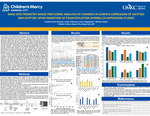
Two out of every five US adults and one out of every five US children meet the criteria for obesity. Obese patients are at an increased risk for nonalcoholic fatty liver disease (NAFLD), which can progress to nonalcoholic steatohepatitis (NASH) and cirrhosis. Compared to healthy controls, NAFLD and NASH patients have higher levels of free cholesterol and palmitoylated proteins in their liver, as well as significantly elevated plasma bile acids. Investigation of the effect of dyslipidemia associated with these disease states and how bile acid and drug transport are affected by protein-lipid modification is essential. Several uptake transporters in human hepatocytes, including NTCP, OATP1B3, OATP1B1, and OCT1, co-localize and interact. We hypothesize that these proteins are palmitoylated and localized within lipid rafts. Preliminary data demonstrate that inhibiting palmitoylation affects the function and expression of NTCP, OATP1B3, OATP1B1, and OCT1. Here, we describe the use of mass spectrometry-based proteomics to assess palmitoylation and surface localization of these transporters. We have previously shown the inhibition of palmitoylation reduces OATP1B1-mediated uptake of estradiol-17β-glucuronide. Acyl-RAC assays indicate that palmitoylation occurs at Cys24, for both OATP1B1 and OATP1B3. Proteomics analysis confirmed palmitoylation of Cys24 and identified palmitoylation at Lys19/20 in OATP1B1, N-acylation typically being undetectable using Acyl-RAC assays. Surface expression of OATP1B1 and OATP1B3 was assessed via surface biotinylation followed by targeted mass spectrometry. This method showed good linear quantification and low coefficients of variation. Preliminary LCMS results show mutating the Cys24 palmitoylation site for OATP1B1 and OATP1B3 slightly increased surface expression compared to the wild-type in coexpression studies. Surface expression of these proteins decreased only when OATP1B1 and OATP1B3 both had mutations at their Cys24 palmitoylation site. Additionally, these results informed the optimization of the surface biotinylation procedure which will enable expansion of these surface expression studies. Our data indicates that OATP1B1 is palmitoylated and that this palmitoylation alters transporter function with little effect on surface expression. We plan to expand this work to include effects on protein-protein interactions as well as other transporters. These studies are expected to expand our understanding of the post-translational regulation of hepatic drug transporters and potentially guide dosing strategies for relevant drugs in obese patients
Document Type
Poster
Recommended Citation
Flores-Ascencio, Priscilla; Villanueva, Cecilia; Hagenbuch, Bruno; and Nolte, Whitney M., "Mass Spectrometry-Based Proteomic Analysis Of Changes In Surface Expression Of Oatp1b1 And Oatp1b3 Upon Inhibition Of Palmitoylation During Co-Expression Studies" (2025). Research at Children's Mercy Month 2025. 5.
https://scholarlyexchange.childrensmercy.org/research_month2025/5