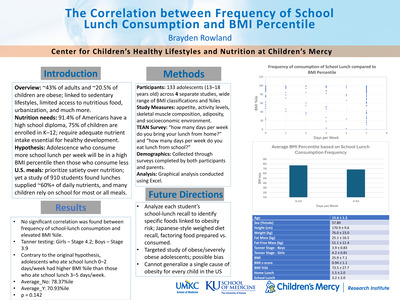
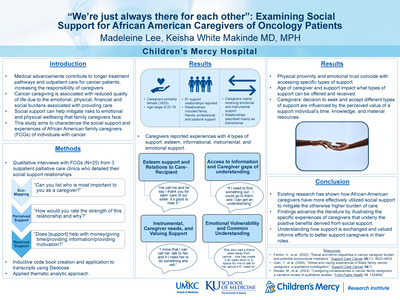
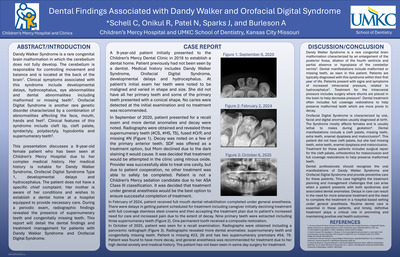
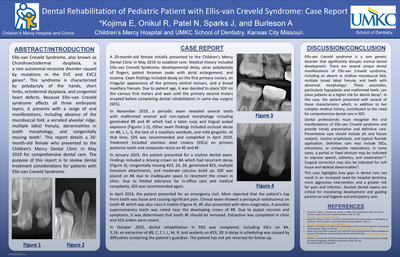
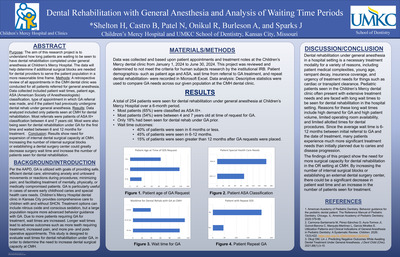
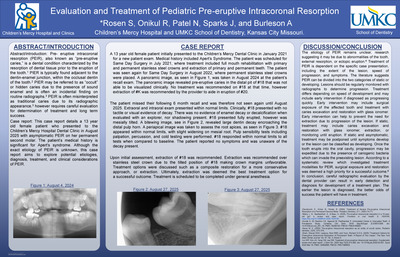
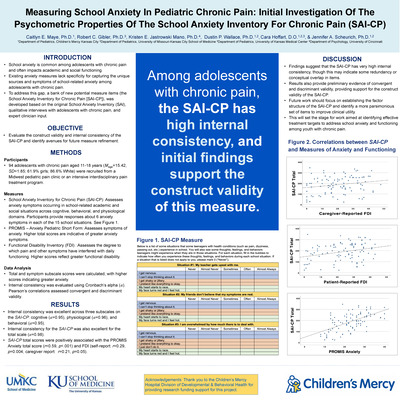
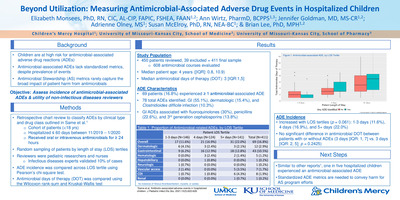
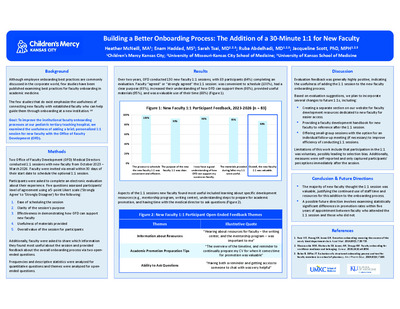
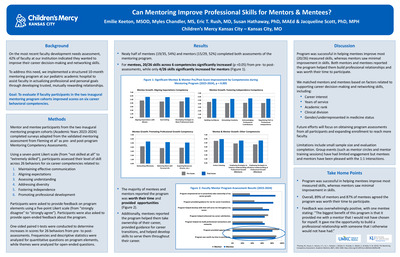
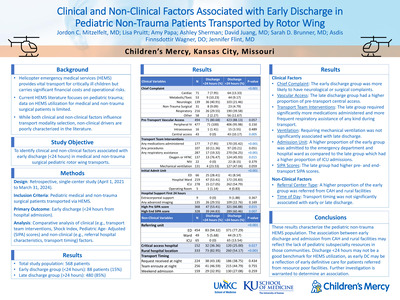
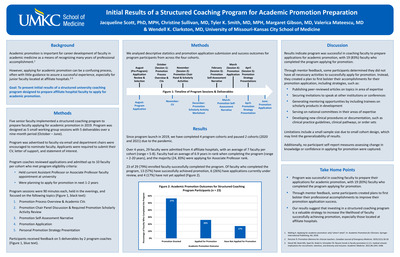
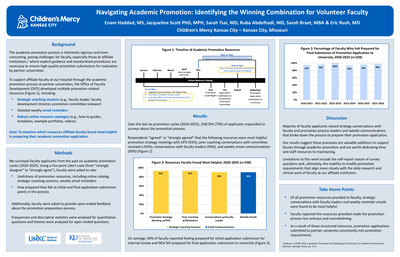
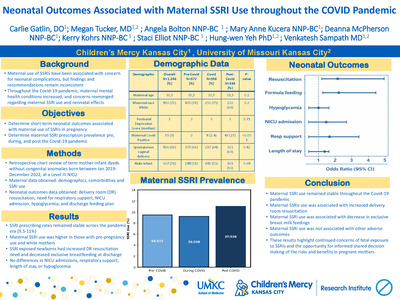
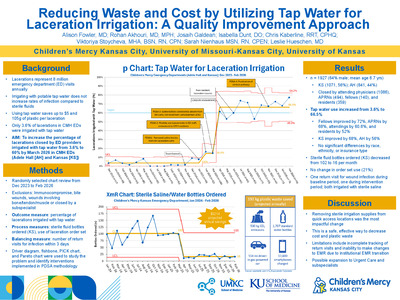
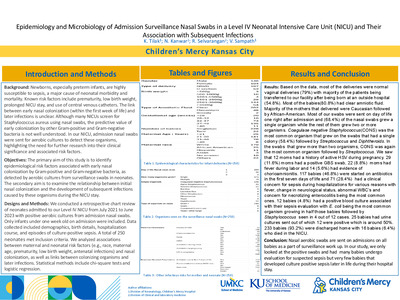
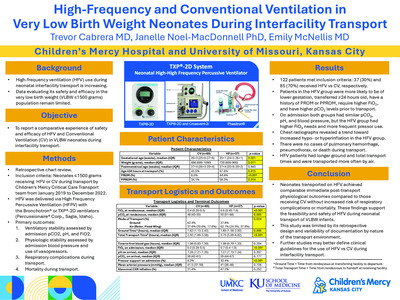
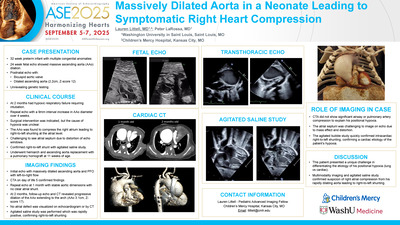
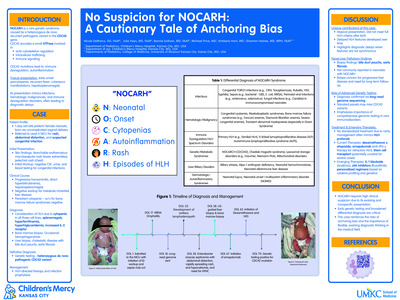
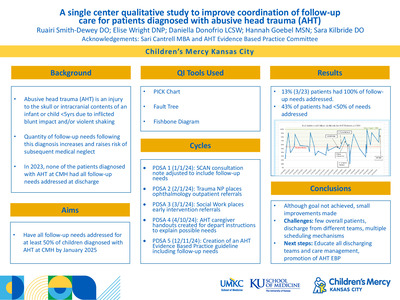
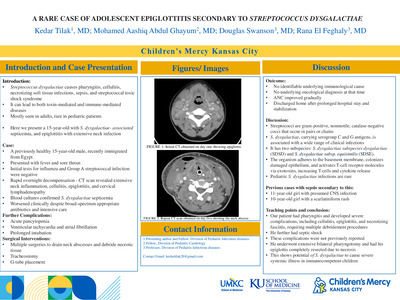
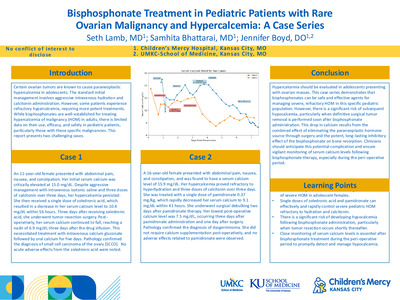
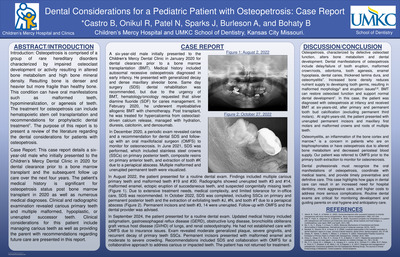
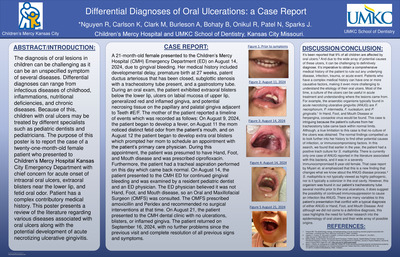
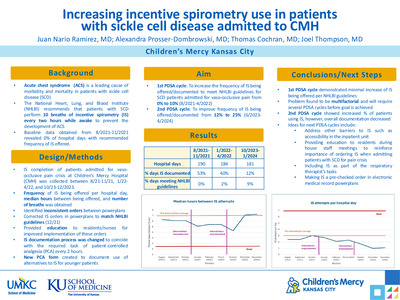
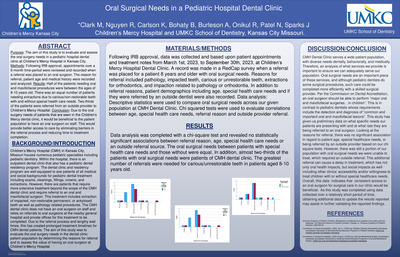
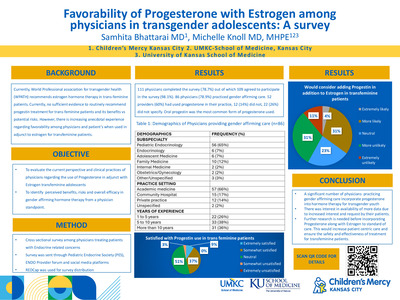
These posters have been presented at meetings in Children's Mercy and around the world. They represent research that was done at the time they were created, and may not represent medical knowledge or practice as it exists at the time viewers access these posters.
-
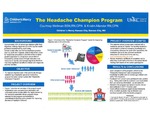
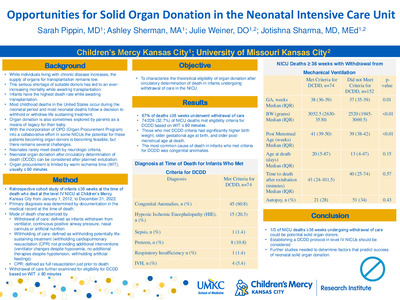
The Headache Champion Program
Courtney Wellman and Kristin Allender
BACKGROUND
Approximately 10% of school age children suffer from migraines, making migraines one of the top five health problems experienced by youth today
School nurses often are the first healthcare provider seen by youth with migraine; visits to the school nurse for headaches amounted to one-third of the enrolled student population in a large local school district. (see reference)
Empowering school nurses through education and resources to identify and manage migraines therefore may have significant benefits to children with migraines and their families.
OBJECTIVE
To improve migraine care in the community through establishing a headache specialist mentorship program for select school nurses (the "Headache Champion Program")
PROJECT OVERVIEW
Figure 1 provides an overview of the project model
Applications were accepted from interested, self-nominated school nurses within the region served by the headache specialist clinical program; those selected for the program demonstrated a commitment to learning and a passion for improving the lives of headache sufferers
The selected school nurses were matched with a headache specialist "mentor" for monthly telephone conversations aimed at increasing knowledge and empowering advocacy for youth with headaches; the headache specialist also provided additional resources for school and home use (e.g., www.headachereliefguide.com)
Nurses received a certificate of completion and a letter they could mail to families in the school district making them aware of the nurse's participation
RESULTS & CONCLUSIONS
Upon completion of the program, school nurse "Headache Champions" were empowered by knowledge to better care for school age children who suffer from migraines.
Feedback from school nurse participants was positive (e.g., "Being able to talk to a person is so much better than just receiving information. . . so educational")
Interest in the program has triipled since its roll out and continues in 2017-18 school year
Future efforts include an urgent access headache clinic, to which students may be directed, and continued growth of the mentorship program.
-
The Lifecycle of a K-card: Improving Data Collection While Improving Bundle Reliability
Tara Benton, Barb Haney, Lacey Bergerhofer, Susan Burns, Yolanda Ballam, and Kaitlyn Hoch
-
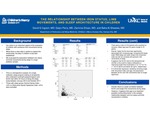
The Relationship Between Iron Status, Limb Movements, and Sleep Architecture in Children
David G. Ingram MD, Gaylyn Perry MD, Zarmina Ehsan MD, and Baha Al-Shawwa MD
Background
•Iron status is an important aspect of the evaluation of children with excessive limb movements during sleep. •While there is clear data in adults to support this relationship, the data in children is less well established. •We evaluated the association between iron status and limb movements during sleep in a large pediatric sample. Methods •This is a retrospective analysis of a single institution sleep program looking at all patients who underwent overnight polysomnogram and ferritin test within 24 hours of doing the sleep study between January 2015 and October 2017. •Those with sleep apnea (Central Apnea Index >5/hr or Obstructive Apnea Hypopnea Index >2/hr) were excluded. Results •There were a total of 418 patients who qualified for inclusion. Mean age was 5.6 years (range 0–19 years). •Overall, higher ferritin level was significantly associated with increasing age, increasing N2 sleep, lower REM sleep and lower single limb movement index but did not correlate with periodic limb movements of sleep. •It appears that ferritin level at 30 nanograms per milliliter is the cutoff to make a difference in improving single limb movements (7.2+/-2.7 vs 7.9 +/- 3.6 for above and below 30 ng/ml, respectively). •In multivariate regression modelling including single limb movement index and age, the association between ferritin and limb movements was no longer significant. Conclusions •Overall, there is a weak correlation between ferritin and single limb movements during sleep. •However, it appears that age is an important possible confounding factor in the complex relationship between and iron status and limb movements in children.
-
The Relationship Between Vitamin D Status, Limb Movements, and Sleep Architecture in Children
David G. Ingram MD, Gaylyn Perry MD, Zarmina Ehsan MD, and Baha Al-Shawwa MD
Background
•Vitamin D deficiency has recently been posited as an important factor in the pathogenesis of restless leg syndrome.•We evaluated the association between vitamin D deficiency and limb movements and sleep architecture in a pediatric sample.
Methods
•This is a retrospective analysis of a single institution sleep program looking at all patients who underwent overnight polysomnogram and 25-OH vitamin D within 60 days of doing the sleep study between January 2015 and October 2017. •Those with sleep apnea (Central Apnea Index >5/hr or Obstructive Apnea Hypopnea Index >2/ hr) were excluded. Results •There were a total of 83 children who qualified for inclusion. Mean age was 7.0 years (range 1–17 years). •Overall, higher Vitamin D level was significantly associated with increasing N3 sleep (r=0.267, p=0.015), but was not significantly associated with other sleep parameters including limb movements. •In multivariate regression modelling including Vitamin D and age, the association between vitamin D and N3 sleep percentage remained significant (B=0.212, SE=0.102, p=0.04). Conclusions •Overall, there is a weak positive correlation between vitamin D and N3 sleep, even independent of age. •In contrast, there was no association between any limb movement parameter and Vitamin D status. •Further investigation is needed to better define the role of Vitamin D in sleep physiology.
-
Utilizing a Situation Awareness Huddle Tool to Decrease Code Blue Events
Matthew B. Johnson, Lisa Carney, Cheryl Powers, Bradley Bishop, Natalie Masters, Becky Paulsen, Andrea Raymond, and Paul N. Bauer
-
Venous Thromboembolism Risk Stratification via Electronic Medical Record Classification
Shannon L. Carpenter, Laura Miller-Smith, Brittney Hunter, Ashley Duty, Justin Sheets, Yuri Tupa, and Kate Gibbs
-
Implementation of a Multi-Institution, Multistate Cystic Fibrosis Transition Program
Christopher M. Oermann, D Polineni, A Andrews, A Moog, Paula Capel, T Bomstedt, Ellen Meier, and J Mermis
Background: Children’s Mercy-Kansas City (CMKC) is an independent children’s hospital in Kansas City, MO. Its CF Care Center (CFCC) provides care for 250 patients. The University of Kansas Medical Center (KUMC) is an academic medical center in Kansas City, KS. Its CFCC includes adult/pediatric programs (230/50 patients). Interactions between CMKC and KUMC were minimal prior to 2013. CMKC provided care through adulthood despite CF Foundation mandates requiring transition of patients aged 18-21 years. Transition only occurred per patient request. Methods: The CMKC CFCC underwent restructuring and staff expansion in 2013-2014. KUMC underwent staff expansion in 2012, adding a nurse, respiratory therapist (RT), social worker (SWO, and dietitian. These changes fostered improved communications and provided a foundation for developing a more robust transition program (TP). Elements of the TP included SW to SW driven initiation of quarterly meetings (none occurred prior to 2013), chaperoned tours of KUMC ambulatory and inpatient care areas, creation of a “Welcome Packet” by KUMC, and expanded inclusion of KUMC at the CMKC CF Family Education Day. In 2013, KUMC staff were invited to participate in breakout sessions and Q&A sessions with parents to help address concerns related to the RP and care at KUMC. KUMC also created co-clinic coordinator positions in 2013 with the SW and RT. This streamlined the TP by assigning education to the SW and logistics (medical records and scheduling to the RT. The KUMC and CMKC teams worked together to create a TP Worksheet and Checklist to endure that needed records were available. KUMC also developed a peer-to-peer program from transitioning and pre-transition patients to connect with adults already receiving care at KUMC. Results: The number of patients transitioned each year varied. The largest number of patients transitioned in a given year followed changed discussed above. The age range at transition narrowed between 2010 and 2016, with all patients transitioning by age 21 in 2015. Mean age at transition decreased. Conclusions: The unique situation at CMKC and KUMC resulted in impediments to a functional TP. Barriers included payer issues related to MO and KS Medicaid, a culture of “patient-driven” transition and insufficient staffing at both institutions. Reorganization of the CMKC CFCC and improved staffing at both institutions led to an improved TP, with transition of all adult patients from CMKC to adult CF programs. Communication and sustaining a “Culture of transition” are key elements in the development of a successful TP.
-
Knowledge Base of Adolescents with Congenital Heart Disease
Mark Gelatt, Julie Martin, Jennifer A. Marshall, Jennifer Panuco, Jenea Schmidt, and Pamela Finn
Introduction:
Most congenital heart disease [CHD] is diagnosed and treated in early childhood with parents responsible for decision-making. The adolescent assumes this role in preparation for transition to an adult congenital heart program. We studied the knowledge base of our adolescent CHD patients and their parents.
Methods:
Established CHD patients, >11 y.o. and their parents, were independently surveyed in the outpatient clinic. Participation was voluntary. Cardiomyopathy, electrophysiology and transplant patients were excluded. Scores were assessed as full, partial or incomplete.
Results:
Most (98% parents; 83% adolescents) reported that their cardiologist had provided education. Adolescents provided a full (49%) and partial (15%) medical name and full (32%) and partial (35%) description of their condition. Older adolescents performed better (p<0.005). Parents scored better, regardless of patient age (p<0.005). Presence of prior surgery/intervention made no difference. Patients undergoing last surgery >11 y.o. scored better than those with surgery only when younger or without surgery (p<0.05) [data not shown]. Patients with mild unrepaired or surgically repaired shunt lesions (ASD, VSD, PDA), and their parents, were much less able to name their lesion than those with left heart lesions (aortic stenosis, coarctation, mitral valve disease), tetralogy of Fallot, TGA/TAPVR or palliated single ventricles, but similar in ability to at least partially describe the defect (p<0.005). In this more affected population, the ability to fully name the defect (81/134; 60%) far exceeded the ability to fully describe it (37/134; 28%; p<0.005).
Conclusion:
Only one-half of adolescents are able to name their cardiac defect, and one-third are able to adequately describe the anatomy. Older adolescents, those with a more recent history of surgery and those with more complex defects perform better. Parents are much more knowledgeable than their children. A strong emphasis should be made on educating adolescents with CHD as they transition to adulthood.
-
Library Services
Brenda R. Pfannenstiel MALS, MA, AHIP; Courtney Butler MLS; Keri Swaggart MLIS, AHIP; and Megan Molinaro BA
Describes activities and resources provided by the Library Services department at Children's Mercy Kansas City.
-
A Month at The Lake Clinic - Cambodia
Mara Horwitz
Describes a global health learning experience in Cambodia on floating clinics that serve residents of remote villages of the Tonie Sap Lake and Stung Sen River.
-
A Month in Manila
Robin M. Lund
Describes a global health learning experience at Philippines Children's Medical Center in Manila.
-
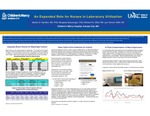
An Expanded Role for Nurses in Laboratory Utilization
Marilyn S. Hamilton, Rangaraj Selvarangan, Michele Fix, and Lynn E. Shriver
Introduction: The majority of laboratory testing errors occur in the pre-analytical stage, including specimen collection. Children provide special challenges including small blood volumes, small veins, and an inability to cooperate. We describe collaboration between laboratorians and nursing staff to improve specimen collection and the reliability of test results.
Methods: We identified three areas for improvement: 1) Volume of blood for culture, 2) Urine collection, and 3) Appropriate blood collection through a line. Base line data was established. Guidelines for specimen collection were updated. Nurse members of the Laboratory Utilization Committee developed educational tools.
Results: Nursing education was effective at improving collection of blood for culture and IV fluid contamination of blood specimens, processes where the nurse was the collector. There was no improvement in the urine culture contamination rate, a process which involves the patient and/or family members.
Discussion: Nursing participation in laboratory utilization efforts provides an opportunity to address specimen collection issues. Nurses are also excellent resources concerning work flow in clinics and inpatient floors. They also actively participate in the education of young doctors.
-
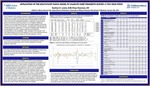
Application of the Multi-Facet Rasch Model to Validate Chief Residents Survey: A Two-Year Study
Kadriye O. Lewis and Ross Newman
This study compares the Chief Resident candidates' characteristics and leadership qualities within and across two years and further validates the Chief Resident peer selection instrument.
-

Exploring Pediatrics in the Philippines
Taylor Hansen
Describes her learning experience in the Philippines with the Jose Fabella Memorial Milk Bank, Fabella's Kangaroo Mother Care Unit, and Talisay Health Center in 2017.
-
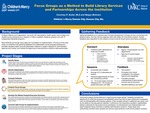
Focus Groups as a Method to Build Library Services and Partnerships Across the Institution
Courtney R. Butler and Megan Molinaro
BACKGROUND: Children's Mercy is an independent, non-profit, 367-bed pediatric health system with multiple clinic locations and a strong focus on research. It offers a pediatric residency program and over 37 subspecialty fellowship programs.
New initiatives go through many steps from conception to implementation. The focus of this case study is to describe how gathering feedback from stakeholders during proposal development provided valuable insight, secured stakeholder collateral to support requests for administrative approval and funding, and marked the beginning of new productive institution-wide partnerships.
PROJECT STAGES:
Identify Needs
Identify Stakeholders
Evaluate Software
Conduct Focus Groups
Develop Fair Market Analysis/Executive Summary
Convene Task Forces for ImplementationGATHERING FEEDBACK: Gathering feedback is an important part of project development. Surveys can be a convenient and effective option, but they risk low response rates with stilted, fill-in-the-blank answers. Candid feedback was imperative for this initiative to ensure that all critical factors were being considered.
CONCLUSIONS: Using focus groups proved effectual in improving the project design. Feedback provided the opportunity to refine the proposal and highlighted issues that had not been sufficiently investigated such as interoperability with existing systems. It also revealed interest in additional use cases, such as the ability to host educational materials. Furthermore, the interactions resulted in stakeholders willing to advocate for the project and to participate in its development and implementation and better prepared Library Services to address administrative concerns. These newly built partnerships will allow future projects and service improvements to build off this project's success.
-
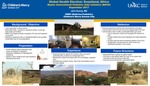
Global Health Elective: Swaziland, Africa
Jane Duong
Describes her learning experience providing care with the Baylor International Pediatric AIDS Initiative (BIPAI) in September 2017.
-
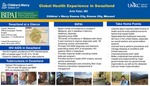
Global Health Experience in Swaziland
Anik Patel
Describes a global health learning experience at the Baylor Center of Excellence in Swaziland, where diagnosis and treatment of HIV/AIDS and TB, along with maternal health, women's health, and adolescent care are provided.
-
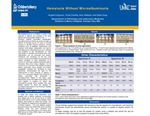
Hematuria Without Microalbuminuria
Angela Ferguson, Vimal Chadha, Amy Wiebold, and Uttam Garg
Background
Microabubiminuria is a condition in which small amounts of albumin are excreted in the urine without overt nephropathy. Based on the
American Diabetic Association classification, microalbuminuria is defined as urinary excretion of albumin of 30–300 mg per 24 hours or 20–200 mcg/min or 30–300 mcg/mg creatinine. Various conditions such as diabetes, hypertension, and impaired renal tubular reabsorption can lead to microalbuminuria. Microalbuminuria is an indicator and predictor of the development of overt nephropathy. If identified and treated early, overt nephropathy can be prevented and averted. Proteinuria and hematuria are the two most common urinary abnormalities encountered during routine urinalysis. In renal dysfunction, it is common to encounter isolated proteinuria without hematuria. Also, when using a dipstick, it is not uncommon to encounter mild isolated hematuria without proteinuria. Since dipstick and protein precipitation methods lack sensitivity for trace proteinuria, immunoassays are used for the measurement of trace amounts of albumin in urine. It is commonly believed that hematuria is always associated with proteinuria or microalbuminuria. Based on this belief, many laboratories cancel microalbuminuria testing if the urine dipstick is positive for blood. We encountered several urine samples that were dipstick positive for blood but negative for microalbuminuria based on the American Diabetic Association definition.
Materials and MethodsTo study this aspect more objectively, urine samples with a typical creatinine concentration were spiked with 5, 10, 20 and 50 uL of whole blood (total volume 10 mL). Using a dipstick, these aliquots were tested for blood and protein, and then analyzed for creatinine and microalbumin on a chemistry analyzer. The urine dipstick analysis was performed on the Clinitek 500 Urine Chemistry Analyzer, while the urine creatinine and microalbumin were performed on the Ortho Vitros 5600 using the Vitros CREA slides and Randox microalbumin reagent.
ResultsFigure 1. Visual analysis of urine specimens
Urine specimen A (Fig. 1 A and B) and urine specimen B (Fig. 1 C and D) were aliquoted and spiked with 0 (Blank), 5,10, 20 and 50 uL of whole blood. Total volume of 10 mL. Aliquots of each were also spun down to visualize the red blood cells present (Fig. 1 B and D).
Table 1. Urine characteristics
Color, clarity, blood and protein were assessed by dipstick and read by the Clinitek analyzer. Creatinine and microalbumin were measured by the Ortho Vitros 5600.Conclusions
•These findings suggest that samples with hematuria may be negative for microalbumin, and therefore, laboratories should not automatically cancel microalbumin testing if a sample is dipstick positive for blood. •A better strategy may be to test the sample for protein using a dipstick and cancel the test for microalbumin only if the sample is positive for greater than trace protein.
-
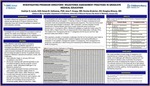
Investigating Program Directors' Milestone Assessment Practices in Graduate Medical Education
Kadriye O. Lewis, Susan B. Hathaway, J F. Knapp, Denise Bratcher, and Douglas Blowey
The purpose of this study is to investigate the current assessment practices as well as identify the needs and challenges of the Program Directors in implementing ACGME's Milestones for assessment in graduate medical education at a pediatric hospital. The ultimate outcome of this study will be to fairly deliver our support and services to all programs equally providing expertise/consulting, guiding, mentoring/advising, and distributing resources.
-
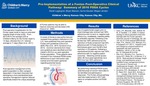
Pre-Implementation of a Fontan Post-Operative Clinical Pathway: Summary of 2016 PDSA Cycles
Sarah M. Lagergren, Bryan Beaven, Suma Goudar, and Megan Jensen
Background/Introduction: Post-operative hospitalization for the Fontan procedure tends to have an extended hospital length of stay (LOS). From 2013-2014, the average LOS at Children’s Mercy for the Fontan procedure is 14 days, whereas the U.S. national reported average is 11 days. Post-operative management of this patient population is often caregiver dependent. It has been theorized that developing a more standardized post-operative management regimen tailored specifically toward the unique physiology of Fontan patients may be able to improve outcomes and decrease LOS.
Methods: A review of literature was performed and revealed three pediatric institutions have published their post-operative Fontan care guidelines. Common elements from these care guidelines were identified and then trialed in 2016 on our post-operative Fontan population. Three patients were included in four individual PDSA cycles. Adherence to each intervention was tracked and information gathered regarding potential issues.
Results: Use of supplemental oxygen prior to chest drainage tube removal had 100% adherence and no harm or negative side effects (such as nosebleeds, or impeding ability to ambulate) reported. Restriction of fluids had a 33% adherence rate with IV fluids started or IV fluid boluses administered over the 80% restriction in 2/3 patients. Following a standardized diuretic regimen had 100% adherence with no negative patient outcomes. Obtaining central access within 48 hours post-operatively via a PICC line had 100% adherence.
Conclusion: By performing individual PDSA cycles prior to full implementation of a post-operative clinical pathway, potential areas of concern were able to be identified and addressed or disproved. The Fontan clinical pathway was fully implemented for 2017 with plans to complete another full PDSA cycle.
-
Sanibonani! A Global Health View of the HIV/AIDS Epidemic in Swaziland
Angie Schmidt
Describes a global health learning experience with the Baylor International Pediatric AIDS Initiative in Swaziland.
-

South Africa: Combatting the Rise of HIV in Adolescents
Ryan Northrup
Describes a global health learning experience in South Africa in 2017, focused on educating teenagers in schools about sexual health and AIDS prevention.
-
Swaziland: A Journey into Culture and Health Care
Claire Hickey
Describes a global health learning experience with Baylor International Pediatrics AIDS Initiative in Swaziland in 2017.
-
Tender Loving Care at The Lake Clinic, Cambodia
Shubra Srinivas
Describes a global health learning experience at The Lake Clinic in Cambodia caring for children and adults in a low resource setting in 2017.
-
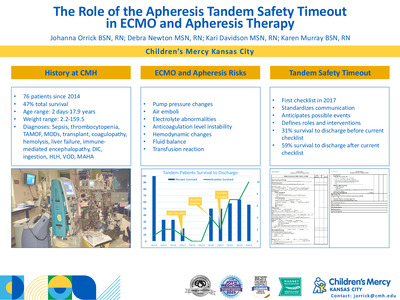
Therapeutic Plasma Exchange (TPE) Performed in Tandem with CRRT and/or ECMO: Experience of One Pediatric Center
Lejla Music Aplenc, Cindy George, and Kimberly Marriott
SUMMARY
The most common indications for starting tandem procedures were ASFA Category III indications, followed by un-categorized indications.
Similar to other reports in literature, hypocalcemia and hypotension were the most common complications. Transfusion reactions were rare, despite the use of large volumes of plasma.
Tandem procedures in critically ill pediatric patients require close monitoring and excellent communication between staff members.